Well hello there! If you’re reading this monthly round up of Observability (and related) news, then you’re one of the few not on vacation and I thank you 🙇 . That last sentence was basically me making an excuse for not having too much to write about, but there’s just enough
Ian and Chris speak with Cristian Heilmann, Principal Program Manager Developer Tools at Microsoft about his long career through developer relations/evangelism, teaching technical skills, and so much more!
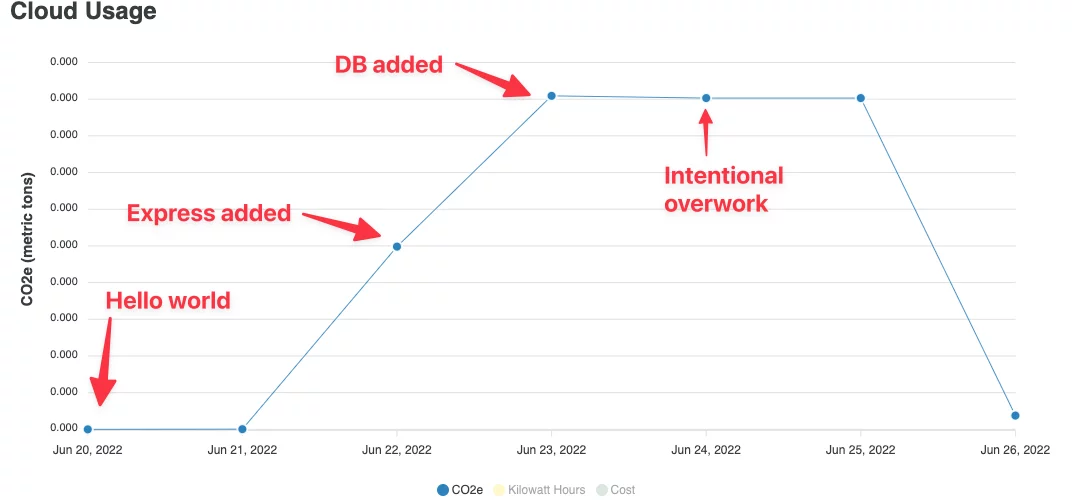
Learn about the unintended environmental impact and cost of the proliferation of cloud services, frameworks, and "throw an other service at it" development.
Phew! A group of Chronospherians attended Monitorama back in person in Portland and we had a whistlestop (partial) week meeting customers and observability enthusiasts. I had a talk which sparked a lot of interesting discussion, we hosted a very successful whisk(e)y tasting, and all in all, had a great time.
Yes, KubeCon returned with vengeance to Europe, and over 7000 cloud native hungry folks made their way to Valencia to see what was new in the world of Kubernetes and cloud computing. There was a lot that happened, and for more detail, read our wrap up post, the rest of this newsletter summarizes some of the most relevant topics.
Observability is fast changing from a practice that those close to engineering knew was useful, to a practice that everyone knows is useful for technical and business reasons.
The sun is rearing its sleepy head across much of the northern hemisphere, making news a little quiet this month. But we have a few choice items for you, and with the first in-person conference seasons in a while on the horizon, there’s plenty more to come!
Over the past months, I've been slowly assembling a suite of self-hosted tools and services on a shiny new RaspberryPi 400, and finally, I think I am finished and ready to write up my experiences. At the least, it will help remind me what I have, but I hope it might also help others taking similar journeys.
There are many services and tools to help manage microservices. This post looks at some options to highlight the similarities, differences, and when or why to use one.
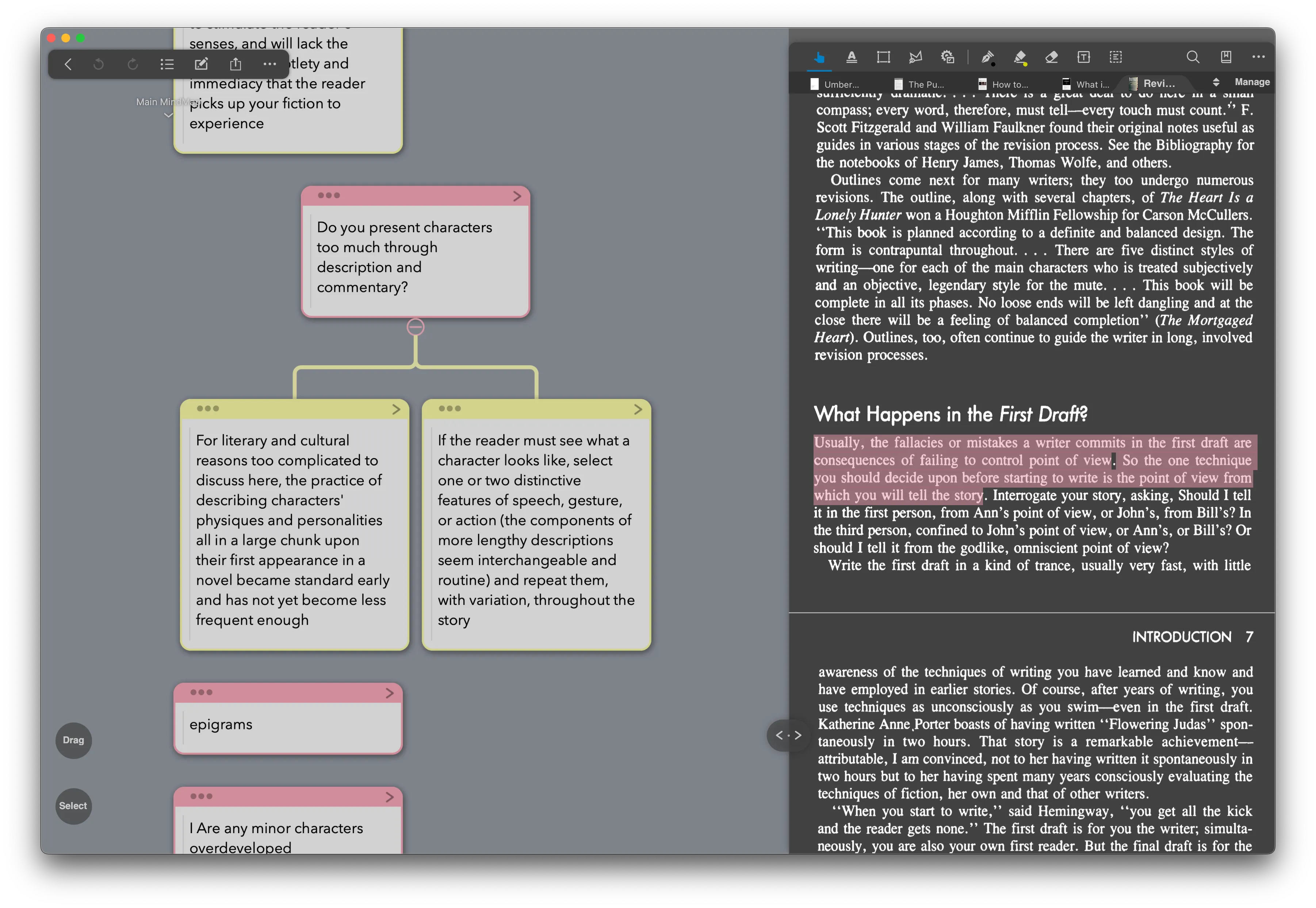
Docs as code is an increasingly popular approach for tech writers that follows similar principles for writing that developers follow for writing code. Docs as code typically means writing in markup languages such as markdown, asciidoc, or restructured text. The tools for writing in these markup languages are different from the specialized technical writing tools you might have used before, and again, are often designed for coding or general writing. This post looks at some of the best you can try if considering a switch to docs as code.
The discussions on what represents negative, biased, and diverse language continue in many open source communities, often sparking heated and strongly opinionated debate. Setting those discussions aside, say you have decided what language you want to increase, decrease, or change in your community. How do you enforce and track those changes?
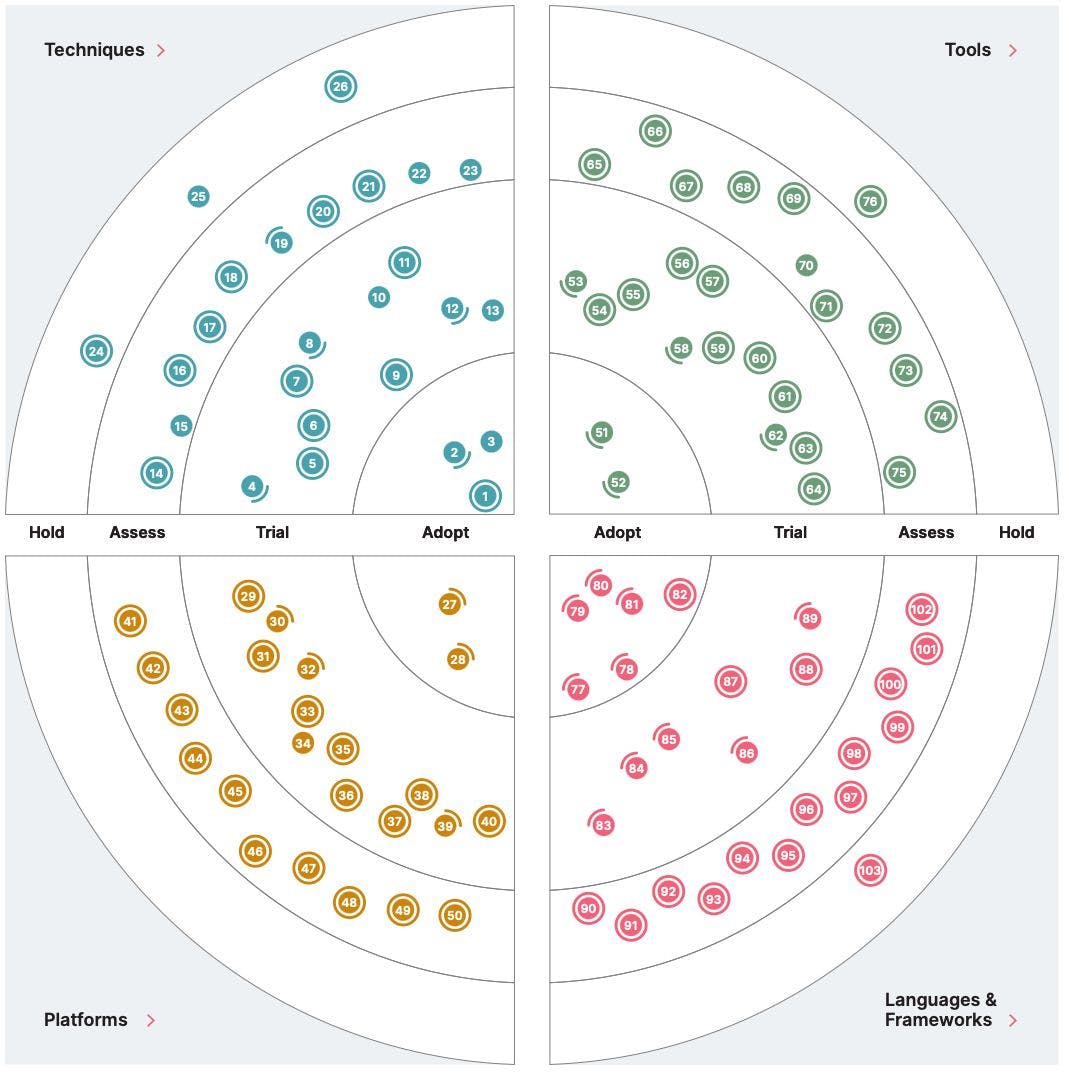
“DevOps” merges Development and Operations team functions through practices and tooling, all the while making continuous improvements to applications. Teams that adopt DevOps tools, culture and practices perform better and build faster. Let’s walk through each stage of DevOps and the popular DevOps tools you may want to consider in 2022.
As big Kubernetes users ourselves, we know that one of the best ways to run Kubernetes is to use Google Kubernetes Engine (GKE). Earlier this year, Google Cloud announced a new mode for running GKE called Autopilot. Google Cloud designed Autopilot to reduce the operational cost of managing clusters, optimize clusters for production, and yield higher workload availability. Autopilot takes a lot of the legwork and complexity out of managing Kubernetes clusters, saving you time and money. But, like all critical infrastructure, you still need a plan for monitoring and observability for the cluster. That’s where Chronosphere comes in.
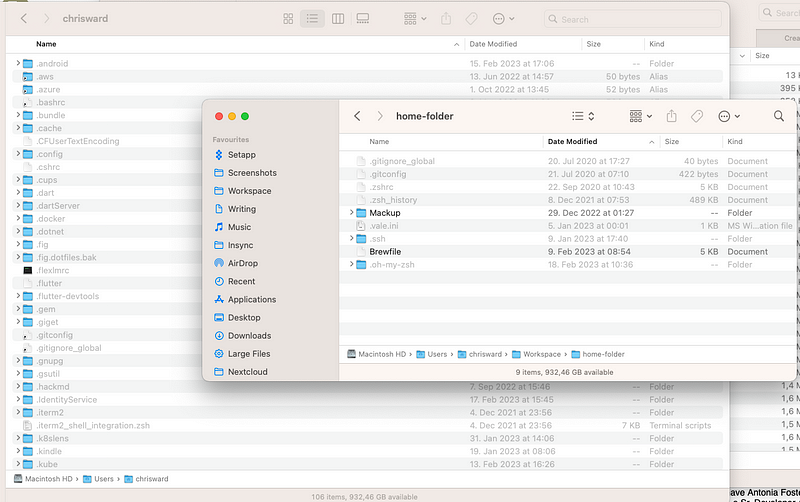
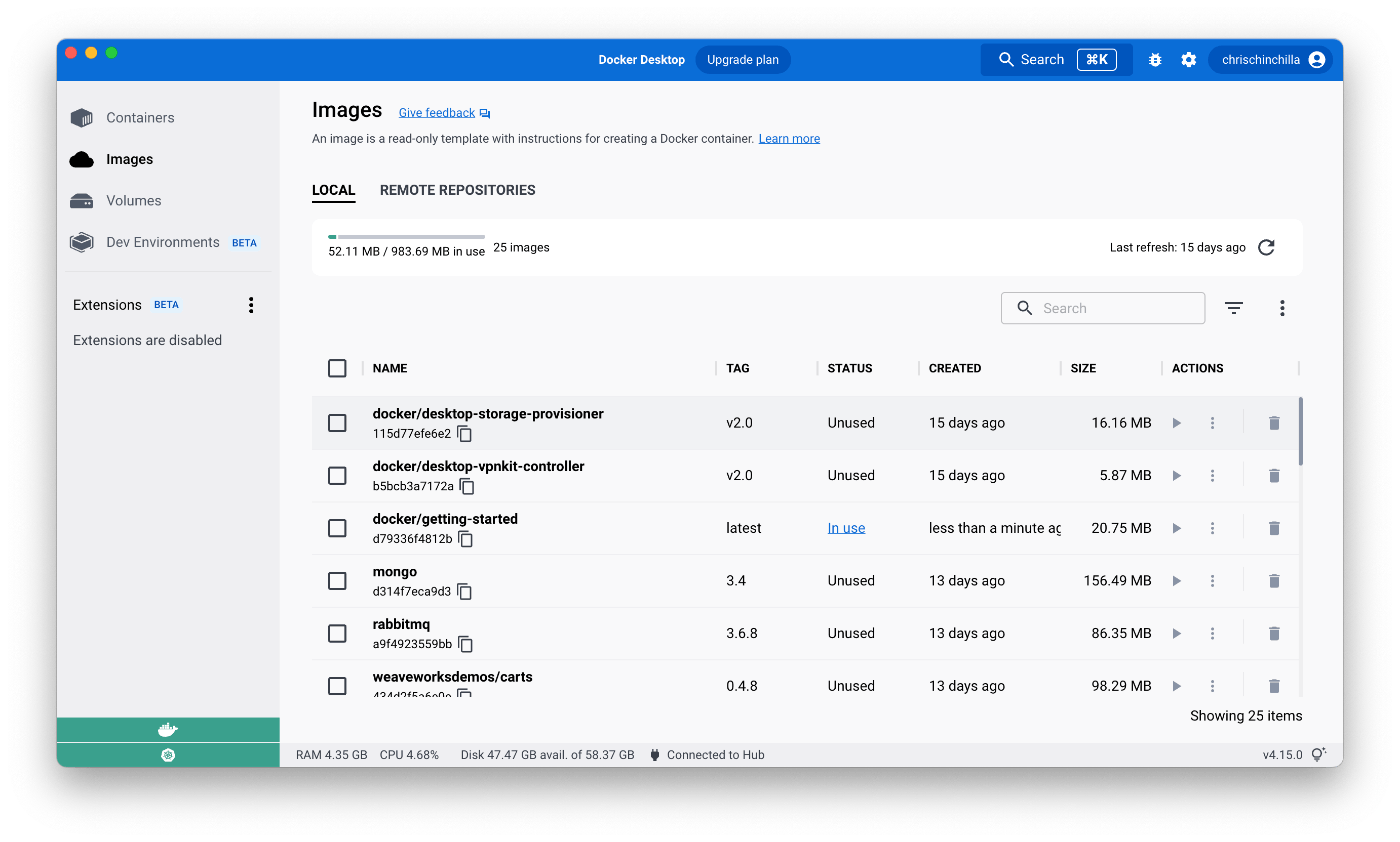
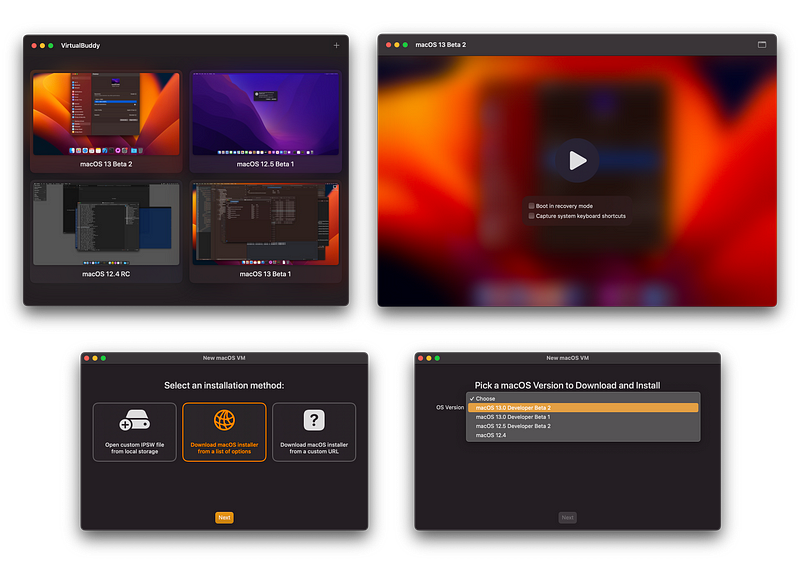
You want to migrate data to a new Mac but are also interested in using a clean install instead of restoring from a backup to remove any of that unnecessary crud that gathers, especially when you someone like me who constantly installs and uninstalls applications and tools. I have been trialing a handful of tools and processes recently building towards helping with this and now I have a shiny new M1 Pro laptop it seemed a perfect time to see how useful they were. Here’s what I wanted to test and how the process went.
For Nanowrimo (national novel writing month) 2021 I continued my novel from last year. To remind anyone who hasn’t followed my sparse updates on the novel, the novel is a speculative fiction set after a global zombie and human conflict where the two (let’s call them) species coexist in a tense harmony. For Nanowrimo this year, I set myself two targets.
One of the most important capabilities of an observability platform is alerting. How quickly can you know when something is wrong, so you can rapidly triage and remediate that problem? Chronosphere recently released a new approach to defining alerts called “Monitors,” which gives users more flexibility with alerts and makes them easier to create and manage.
As conference season slowly draws to a close, and we fill that few months between the end of summer and the start of the seemingly never-ending holiday season (hemisphere and region-dependent naturally), there has been a flurry of activity in the observability ecosystem, so it’s time to, err, cast an eye over it 😬.