
I'm always a bit behind with development trends, mainly because working for yourself or small businesses, you rarely have the luxury of spare time to experiment and tend to<span class="Apple-converted-space"> stick with what you have to get the job done.
I have been Macs for a very long time, since the dark days of the mid 90s and the days of <a href="https://en.wikipedia.org/wiki/Macintosh_Performa" target="_blank">Performas</a>, <a href="https://en.wikipedia.org/wiki/System_7" target="_blank">System 7</a> and unremarkable CEOs. I have been through the massive change to OS X and processor changes from <a href="https://en.wikipedia.org/wiki/Motorola_68000" target="_blank">68000</a> the series to <a href="https://en.wikipedia.org/wiki/PowerPC" target="_blank">PowerPC</a> and then to Intel.
Recently out of private beta, Docker's new native applications aim to replace the current methods for running Docker on Windows and Mac, creating a better experience for developers using those platforms. For the previous solution, Docker Toolbox used VirtualBox to create a small Linux virtual machine that hosted your images and containers. It worked pretty well but could be unreliable at times and required workarounds that sometimes resulted in unexpected outcomes or not working at all.
I'm sat at an Apple event in Berlin and there's not many people here, which says something about what people feel about Macs vs iPhones, or something. In a week when IBM became one of Apple's biggest clients and Microsoft announced more interesting products. It feels like there is growing disappointment and boredom in what Apple is offering.
There are currently two major issues and trends with application development. One is users finding your efforts, and the other is then making money when they do.
I recently switched back to freelancing full-time, and whilst I am lucky enough to have clients who don’t ask for precise hourly breakdowns, I have always been intrigued to know how much time I was spending on work tasks, especially those tasks that I didn’t directly bill for.
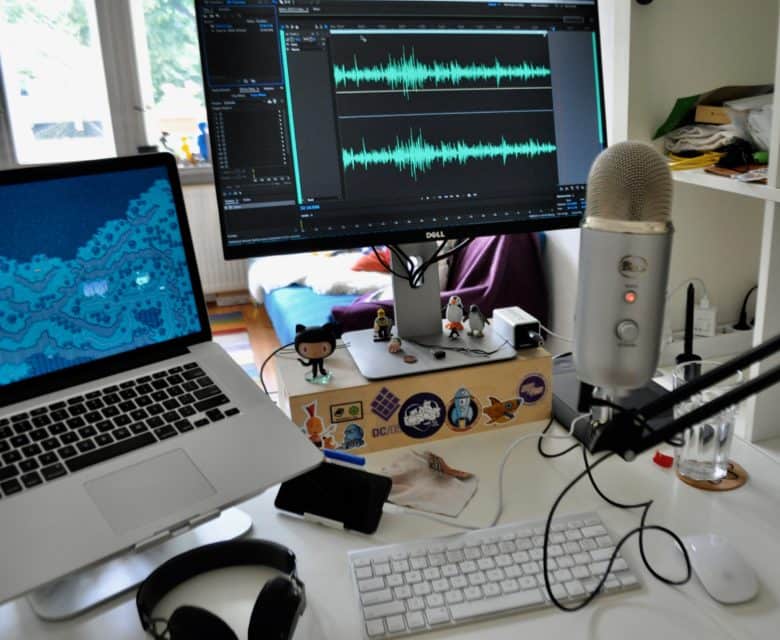
Podcasting is undergoing a renaissance with listeners consuming on-demand shows at unprecedented levels, and creators enjoying surprising levels of success with their work. One thing that sets apart the amateurs from the professionals is good content, but the other is production values. Here are some of the things I’ve learned, along with recommendations on the hardware, software and techniques to get you started podcasting using your Mac.
The MacBook Touch Bar has been notoriously labelled as a useless feature... however, it may have found a home with the Atom Text Editor. Check out these different packages that extend touch bar functionality to Atom.
You want to migrate data to a new Mac but are also interested in using a clean install instead of restoring from a backup to remove any of that unnecessary crud that gathers, especially when you someone like me who constantly installs and uninstalls applications and tools. I have been trialing a handful of tools and processes recently building towards helping with this and now I have a shiny new M1 Pro laptop it seemed a perfect time to see how useful they were. Here’s what I wanted to test and how the process went.
CleanMyMac has long been a go-to tool for macOS maintenance, but its recent addition of cloud storage cleanup is worth examining. In this post, I test the new feature to see how well it helps manage cloud storage across services like iCloud and Google Drive, and whether it's a useful addition or just a gimmick.