
Observability

Blog posts tagged with Observability
An Introduction to PromQL

An Introduction to PromQL

27/05/2021
For metrics stored within Prometheus, the Prometheus Querying Language (PromQL) is the main way to query and retrieve the results you are looking for. Chronosphere supports querying metrics data using PromQL and Graphite functions, but as PromQL is the most popular option we see customers use. PromQL has some differences to other query languages you might have used. Here is an overview guide to get you started.
Open source monitoring and metrics landscape

Open source monitoring and metrics landscape

22/07/2021
Metrics and managing and understanding them is an essential part of any modern complex application. As with any active and busy technical ecosystem, there is a proliferation of competing open source monitoring standards. A handful emerges as the most popular solutions. Slowly, the community creates a standard that most projects follow in some way.
An eye on observability for August 2021

An eye on observability for August 2021

31/08/2021
How did you enjoy the first installment of this regular look back at a month in observability? Well, it’s back again, and as August and vacations draw to a close, the amount of news and content to tell you about is increasing. It’s time to get started, and as always, get in touch if you have stories for inclusion.
An eye on observability for November 2021

An eye on observability for November 2021

11/11/2021
As conference season slowly draws to a close, and we fill that few months between the end of summer and the start of the seemingly never-ending holiday season (hemisphere and region-dependent naturally), there has been a flurry of activity in the observability ecosystem, so it’s time to, err, cast an eye over it 😬.
The open source tracing landscape

The open source tracing landscape

28/10/2021
Distributed tracing tools help you track a request through an application or system that consists of multiple applications, services, and infrastructure. This gives you a deeper understanding of what is happening within the system through graphical representations of how much time the request took on each step. A span is the building block of any distributed trace, with each component in a service contributing a span to the distributed workflow. There are a handful of well known open source tracing tools, and another handful of lesser known ones. Most work in similar ways, with one or two nuanced differences, and this post walks through most of them to help find the right tracing tool for you.
An eye on observability for May 2022

An eye on observability for May 2022

01/06/2022
Yes, KubeCon returned with vengeance to Europe, and over 7000 cloud native hungry folks made their way to Valencia to see what was new in the world of Kubernetes and cloud computing. There was a lot that happened, and for more detail, read our wrap up post, the rest of this newsletter summarizes some of the most relevant topics.
An eye on observability for June 2022

An eye on observability for June 2022

07/07/2022
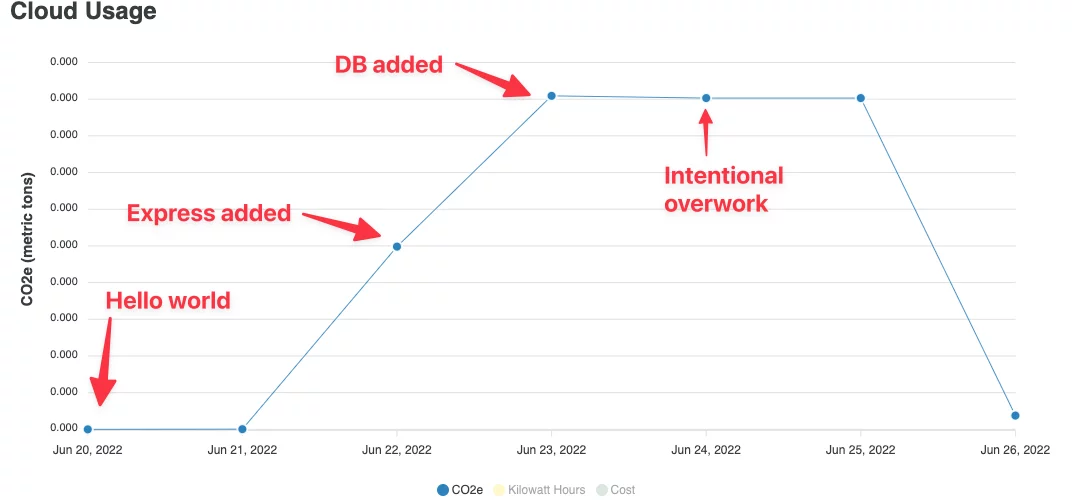
Phew! A group of Chronospherians attended Monitorama back in person in Portland and we had a whistlestop (partial) week meeting customers and observability enthusiasts. I had a talk which sparked a lot of interesting discussion, we hosted a very successful whisk(e)y tasting, and all in all, had a great time.
An eye on observability for July 2022

An eye on observability for July 2022

02/08/2022
Well hello there! If you’re reading this monthly round up of Observability (and related) news, then you’re one of the few not on vacation and I thank you 🙇 . That last sentence was basically me making an excuse for not having too much to write about, but there’s just enough