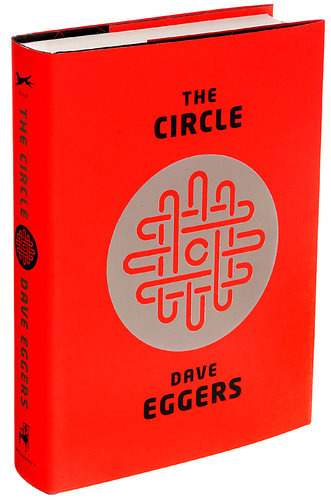

I have been wanting to read this as part of my research into dystopian fiction for my One day the World Ended project and I have mixed opinions on this book.
Apache Mesos is a fantastic tool for abstracting CPU, memory, storage, and other compute resources away from machines (physical or virtual). This lets you program against your datacenter like it's a single pool of resources.
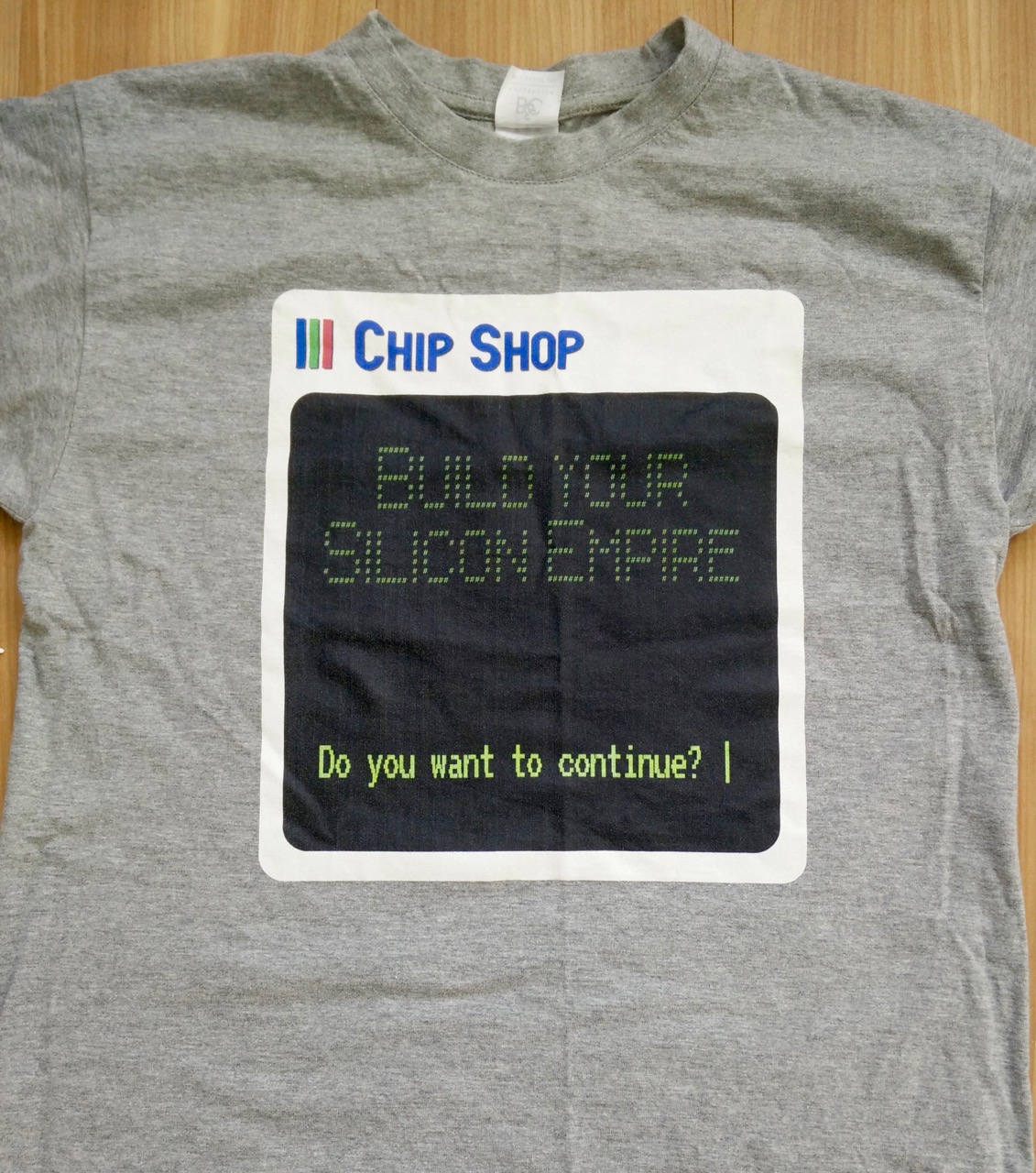
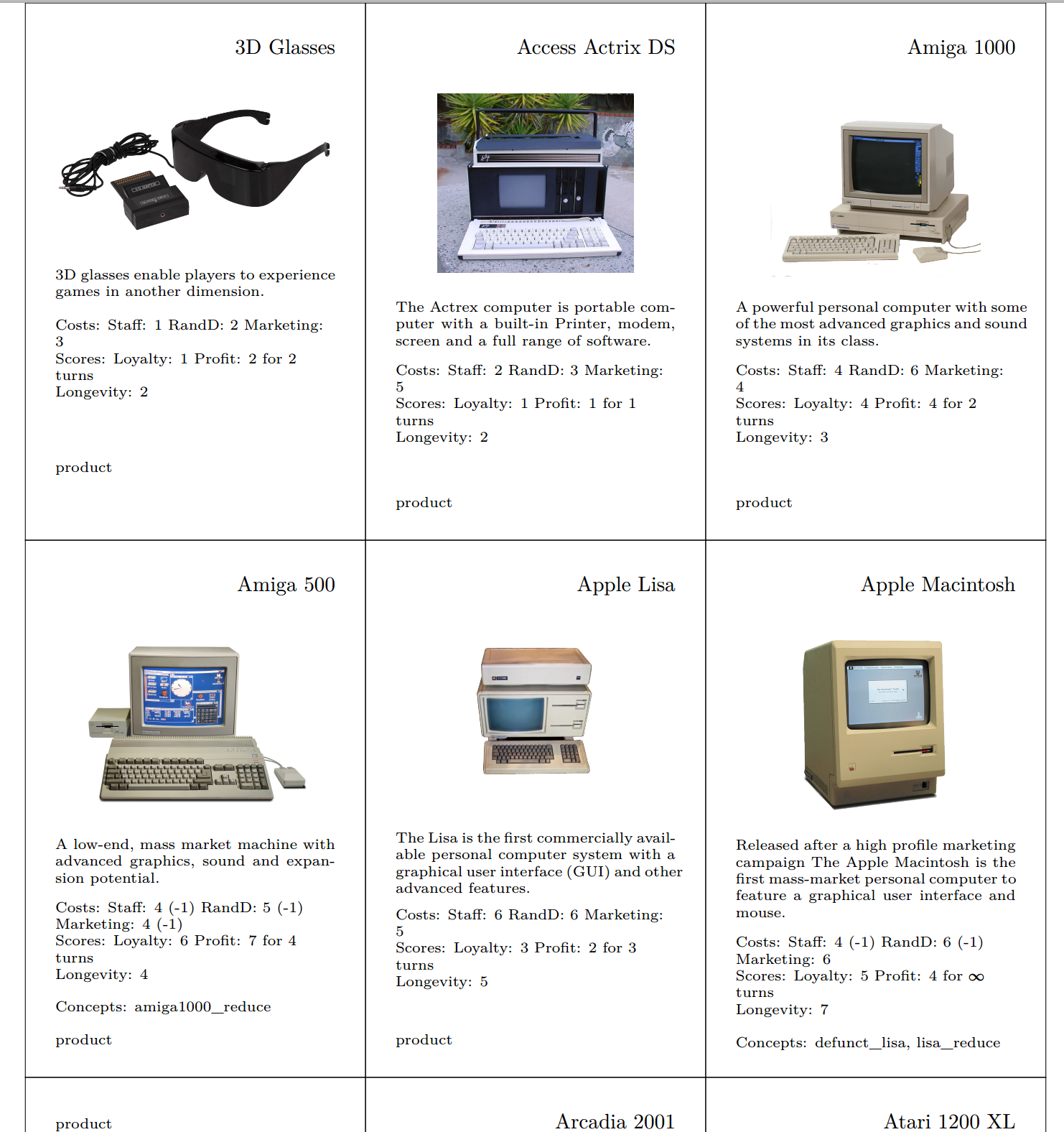
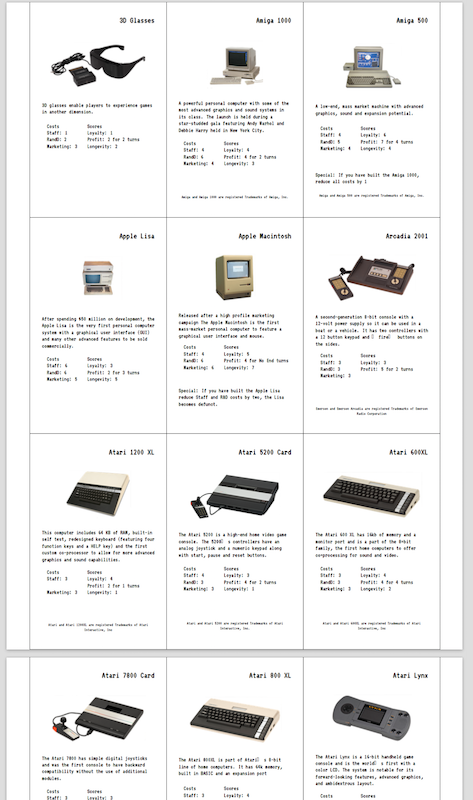
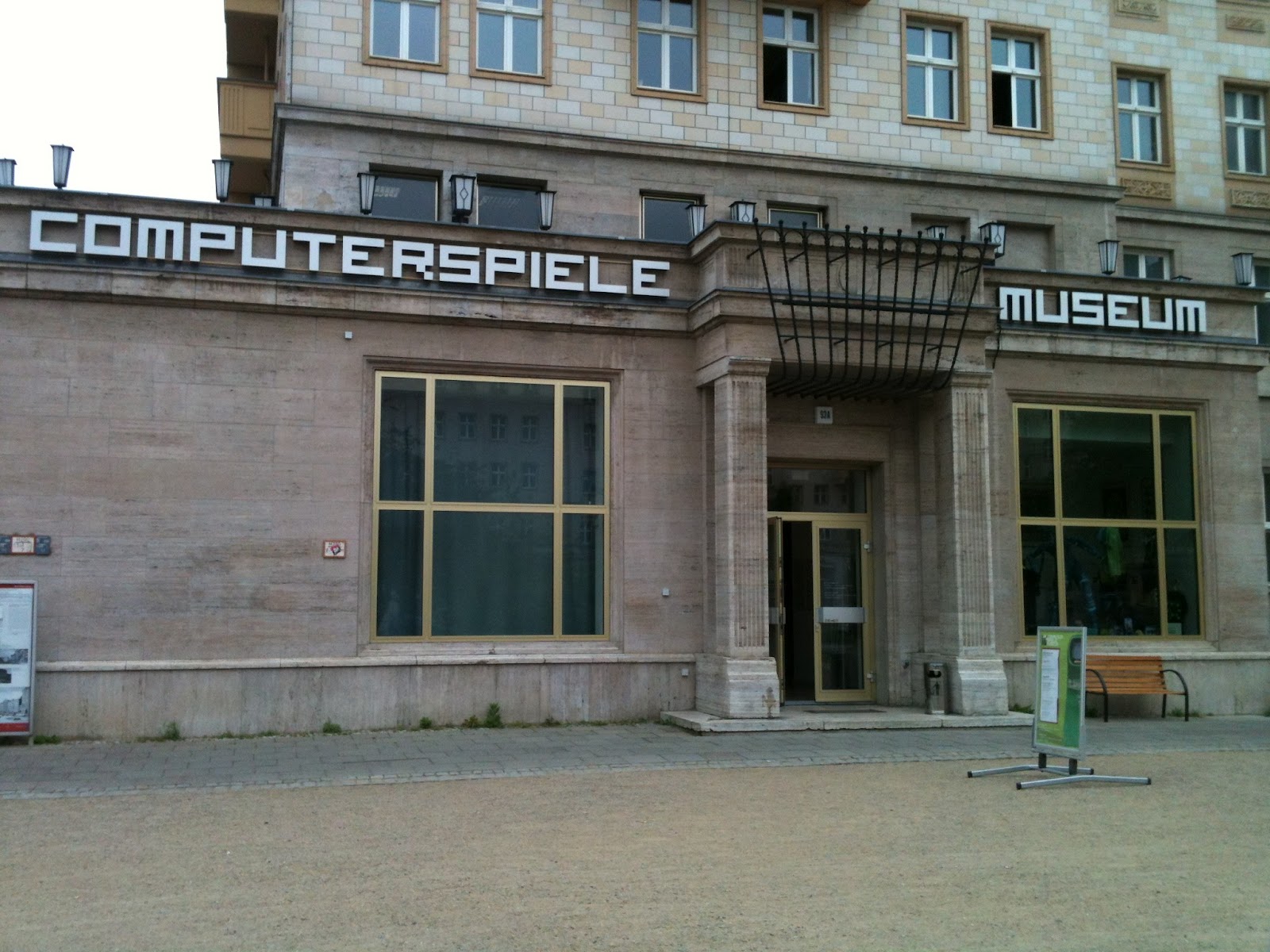
Over the weekend thanks to Berlin Games Week I attended the <a href="https://www.computerspielemuseum.de/" target="_blank">Berlin Computer Spiele Museum</a> for free. It was a small exhibition but great research for Chip Shop and the visit combined with several other events during the week inspired me to work on some of the product cards on Sunday.
Last week I presented Chip Shop at an event here in Berlin. I was woefully unprepared and just had my laptop, showing a few screens and telling people about the idea.
One of the main perils of the modern world is there is far too much to distract us. So many interesting blog posts to read, events to attend, crap-we-don't-need to buy and other assorted diamonds from the internet. I'm sure several days into the working week we look at our browser and find 20+ tabs open, all eating up memory and so cluttered you can't even remember what is what anymore.
I spent today drawing together the disparate parts of the game manual and concepts into something more cohesive and readable, it can be found here. I used the Drupal module <a href="https://drupal.org/project/menu_block" target="_blank">Menu Block</a> so that the manual can be organised as pages and sub pages (with associated menu links) and the structure then shows correctly. This will enable me to add and edit more in the future and everything will fit together nicely.
The VoIPstudio Telecom system is a unique cloud system running on a large amount of servers in a wide variety of locations. Each data center has two basic roles: storing data in real-time and backup for other locations in the system.
Docker is currently one of the most spoken about tech projects right now and it's hard to believe that it's only two years old. As part of the celebrations, the Docker team decided to host more than a dozen open-source-a-thon parties around the World. Not only to help people learn how to contribute to the project, but also donating $50 for every contribution to the Oceanic Society.
One Day the World Ended is designed to be an open source and collaborative work of fiction. Most of this will come later when I have more material ready, but <a href="https://github.com/ChrisChinchilla/One-Day-the-World-Ended-Jekyll" target="_blank">the code of the website is on GitHub</a> and you're more than free to issue pull requests if you want to.
Bill Kunkell helped create "Electronic Games Magazine" in 1981, the first magazine dedicated to video games. It seemed a great research resource for Chip Shop to get some anecdotes and atmosphere for the era.
In my continued efforts to read as mazy works of dystopian fiction as possible, next on my list was Battle Royale. On a side note, are there many works of purely utopian fiction? Or would that not sell? Back to the east Asian republic. Set in the non-too-distant future, a large Asian empire now rules over an undefined area, full of social control, aggression and suppression. Once a term a class of school children are chosen to compete in a battle to the death on an abandoned island with no hope of escape and only one survivor. It's never completely clear why this happens and what the government gets out of it, but that doesn't matter too much.
The mobile monolith that is Mobile World Congress is over for another year. I was lucky enough to get hold of a press pass and decided to spend the week in Barcelona. Soaking up the warmer weather, joining the 90,000 other attendees and preparing for the bombardment of marketing mumbo jumbo to unearth some gems for developers.
I picked this book up as part of a book bundle somewhere, but escapes me with one right now. It's timing was perfect as research for the development of Chip Shop as it covers the history of video games from 1970 up to the year 2000.
The financial sector is an industry ripe for technical disruption. It is well-financed, has many multifaceted requirements and the vast majority of us need its services on a regular basis. The last couple of years have created a plethora of startups and product offerings to service the financial sector and the financial needs of consumers. It even has its own buzzword, 'FinTech', to really prove it has arrived.
My plan for 2015 was to spend another few months working on my various projects and then start looking for new full-time work opportunities. In the past month I made a few casual enquires to get an idea of what might be out there and ended up getting quite a few offers very quickly. Many of these I considered but weren't compelling or different enough (from past work roles) to be worth putting a hold on my own projects.
As part of my research in projects odtwe I have been reading some classics of utopian and dystopian fiction. Most recently I completed Jack London's The Iron Heel.
Yesterday I came up with the most phenomenal idea of how to get my writing workflow, ideas for ODTWE and tech stack in ‘perfect’ combination. Well, in theory (unsurprisingly).
Continuing my reviews of research I have just finished the classic "Kobold Guide to Board Game Design<img alt="" border="0" height="1" src="https://ir-na.amazon-adsystem.com/e/ir?t=gregamamma-20&l=as2&o=1&a=1936781042" style="border:none !important; margin:0px !important;" width="1" />" and can highly recommend it as a good overview of board game design advice. It is a collection of essays more than an end-to-end guide, so some essays will hold more relevance with you than others. However I picked up enough nuggets of advice to make it a worthwhile purchase and have a long list of 'todos. it includes essays from some stalwarts of the industry such as <a href="https://en.wikipedia.org/wiki/Richard_Garfield" target="_blank">Richard Garfield</a> and <a href="https://en.wikipedia.org/wiki/Steve_Jackson_(US_game_designer)" target="_blank">Steve Jackson</a> (who created large parts of my childhood) and is divided into sections of the design process. One of the encouraging outcomes of reading the book was realising that I am currently on track and already doing a lot of what was recommended, but also realised I have a long way to go yet!
Last week I spent time on creating some of the common elements that can be found across all of the Gregarious Mammal sites, this includes:<ul><li>Creative Commons notice</li><li>Mailing List</li><li>Financially contributing to projects</li><li>Git and version information</li></ul>
I have completed the iOS version of Answers Against Humanity, it is currently in the App Store submission process, but I am thinking it might be rejected due to the content.
I am currently open to opportunities for full-time and part-time work. Ideally with an enterprising startup or with a larger agency or internal development team.