There are quite a lot of specific images and text descriptions required to create a listing page for your app, we detail them here and provide some useful tools to help create them. In this final section we submit our application to the store. You're almost there!
A Chrome extensions prime function is to interact and enhance a users' web pages and in this video we look at how to do this, building our first extension with a combination of HTML and JavaScript. This extension will replace all images in a SitePoint article with images of Super Heroes, bringing even more super powers to your browsing experience.
Whilst not a new language, Go has gained a lot of interest over the past two years and the number of bigger name projects utilizing the language is growing rapidly. I wrote an introductory article on the language for SitePoint and came across mentions of mobile support, so thought I’d take a look at the possibilities.
Our databases contain valuable and business critical information and whilst there have always been manual ways to create restorable backups of Crate databases, as of version 0.53, we are pleased to announce the 'Snapshots' feature.
Any Android app that requires even a basic interface will need the basic building blocks of activities and intents to manage interface screens and the flow between them. In this video we look at the different activity types available and how we connect them with intents.
GoLang (generally shortened to Go) is the latest language-that-everyone-wants-to-learn-and-use. In this article, I'll provide an introduction to the language, its features, its potential, and whether you should care about Go or not.
A Chrome Extension Manifest file contains important metadata about your extension. From simple aspects like giving it a name and an author, to setting keyboard shortcuts and overriding browser settings. The Manifest file gives life to your code.
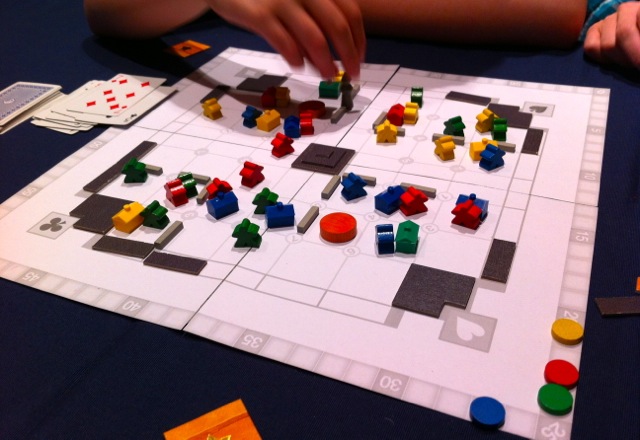
I just had my first play testing session for Chip Shop and returned with lots of feedback. The three players helped me identify a lot of small problems with the game as well as a couple of larger issues that need some refining to make the game work better. None of them so big to break the game, but some important ideas to ponder. Depending on the decisions I make, they may change move the game in a slightly different direction.
No application exists in isolation, in most cases it will frequently need to access external data and services to bring it to life. In this video we look at the principles of connecting to these services. We will cover the basics of APIs, REST and JSON in an Android app and play with some Marvel Super Heroes on the journey.
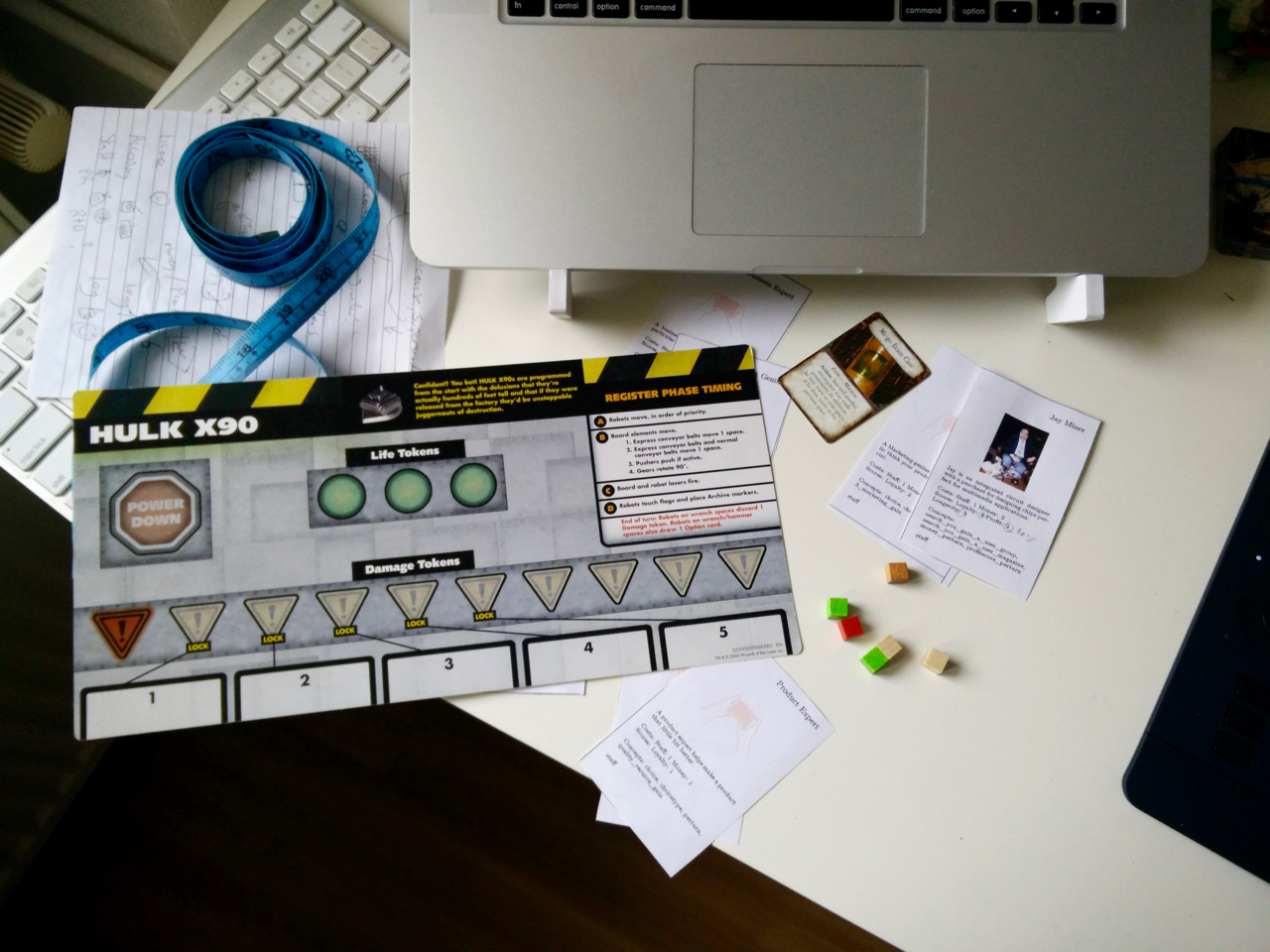
Pushing forward to play testing (which has now begun, more on that later) I have been busy cleaning, tidying and streamlining game components after Essen. Here are some updates...
Android development uses the popular Java programming language. In this video we look at the basics of Java and the additions that Android brings to it.
If you've read some of my previous posts on SitePoint or elsewhere, you may know that I'm working on a board game. In the game, called Chip Shop, you get to run a computer company in 1980s America.
I've lived in three countries in my life, and I travel on a regular basis. I wouldn't go as far as to say that we should have global open borders, but there are ways that the life of the new breed of global entrepreneurs could be easier.
Versioning large files can be problematic with distributed version control systems like Git. Git Large File Storage (or LFS) is a new, open-source extension to Git that aims to improve handling of large files.
When a project is created in Android Studio it contains several auto-generated files containing skeleton code for our project. In this video we look at what function these files perform and when and why we would edit them.
Android Studio is now the official IDE for Android development. In this video we look at how to download and install it, tour the interface and look at some of the tools and features it offers.
We have had requests from many of you about the potential of running Crate on Azure cloud hosting and/or Windows. Whilst this was always possible with some exploration, we now have official documentation.
The main reason for a lack of small posts on the progress of Chip Shop is that behind the scenes we have been working on some large stumbling blocks to push the game towards play testing. We wanted to focus on getting those completed over all else.
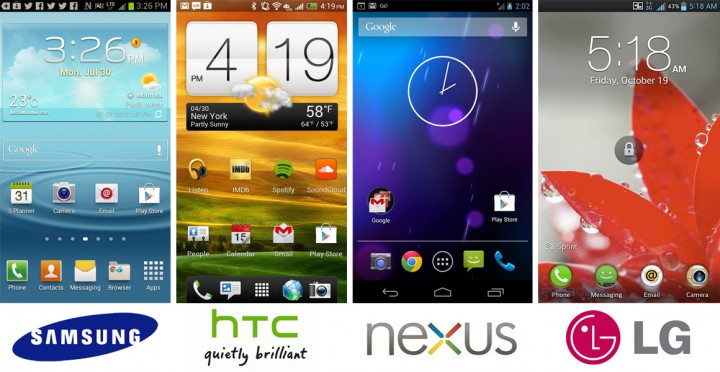
In this video we'll look at understanding the differences between Android devices, system versions and the components that comprise the Android Operating System.
Powerpoint and Keynote are powerful, but also a dead-end for your data. I shows-off the growing power and flexibility of open source presentation tools.
Sorry for the lack of updates in a while. There have been two main reasons for this, other commitments kept me busy and I've been reworking a lot of the technology stack that powers Chip Shop. I'd like to tell you more about updates to the later.
In June Crate.IO was chosen by the Austrian Federal Chamber of Commerce (WKO) to compete in the Born Global Champion challenge and received the reward. The Chamber of Commerce thereby officially recognizes Crate.IO for its