Audio

Gear tagged with Audio

DT 770 ProCurrent

Through various twists of fate, sales, and second-hand deals, I also have far too many headphones. But my now-favourite pair for editing work is the classic DT 770 Pro. They are big, cable-only, and incredibly comfortable, especially for those who wear glasses.

Buy / Learn more →

iRig Mic HD 2Current

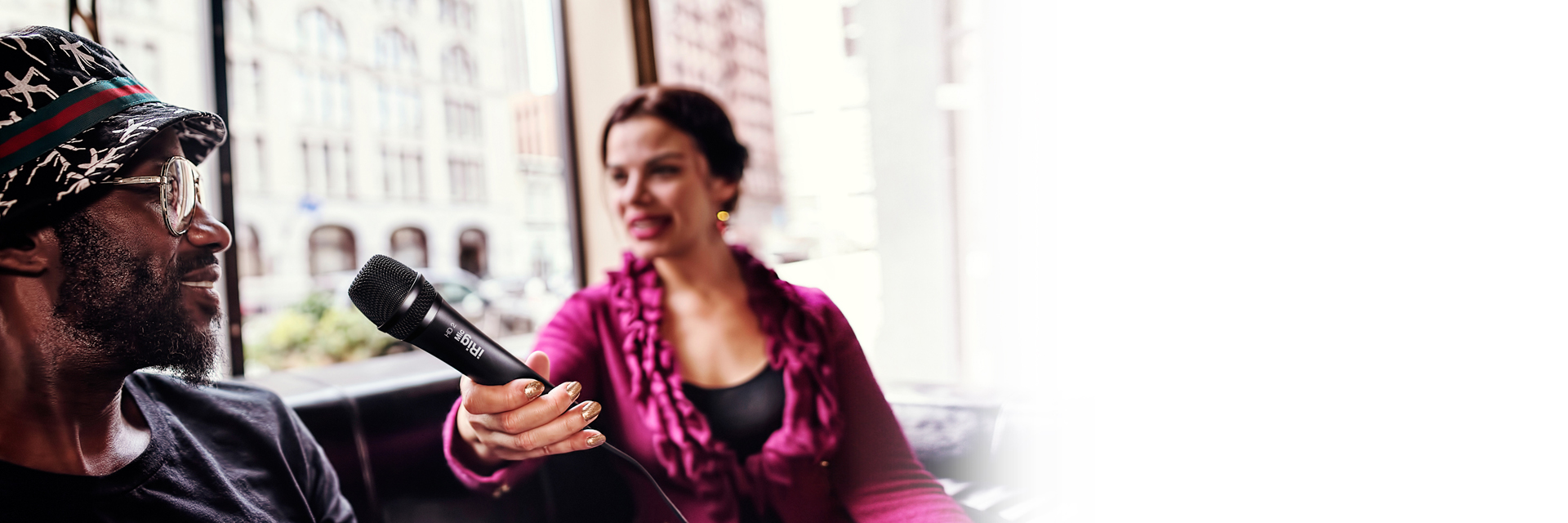
For most of the past few years, I used an iRig Mic HD 2, am still happy with it, and use it when I conduct podcast interviews at home late night. However, I wanted separate microphones (and thus recordings) for myself and the interviewee, ideally without needing large external recording devices that would then break my baggage requirement and now for event interviews I use the Neewer CM 28 instead.

Buy / Learn more →

Neewer CM 28Current

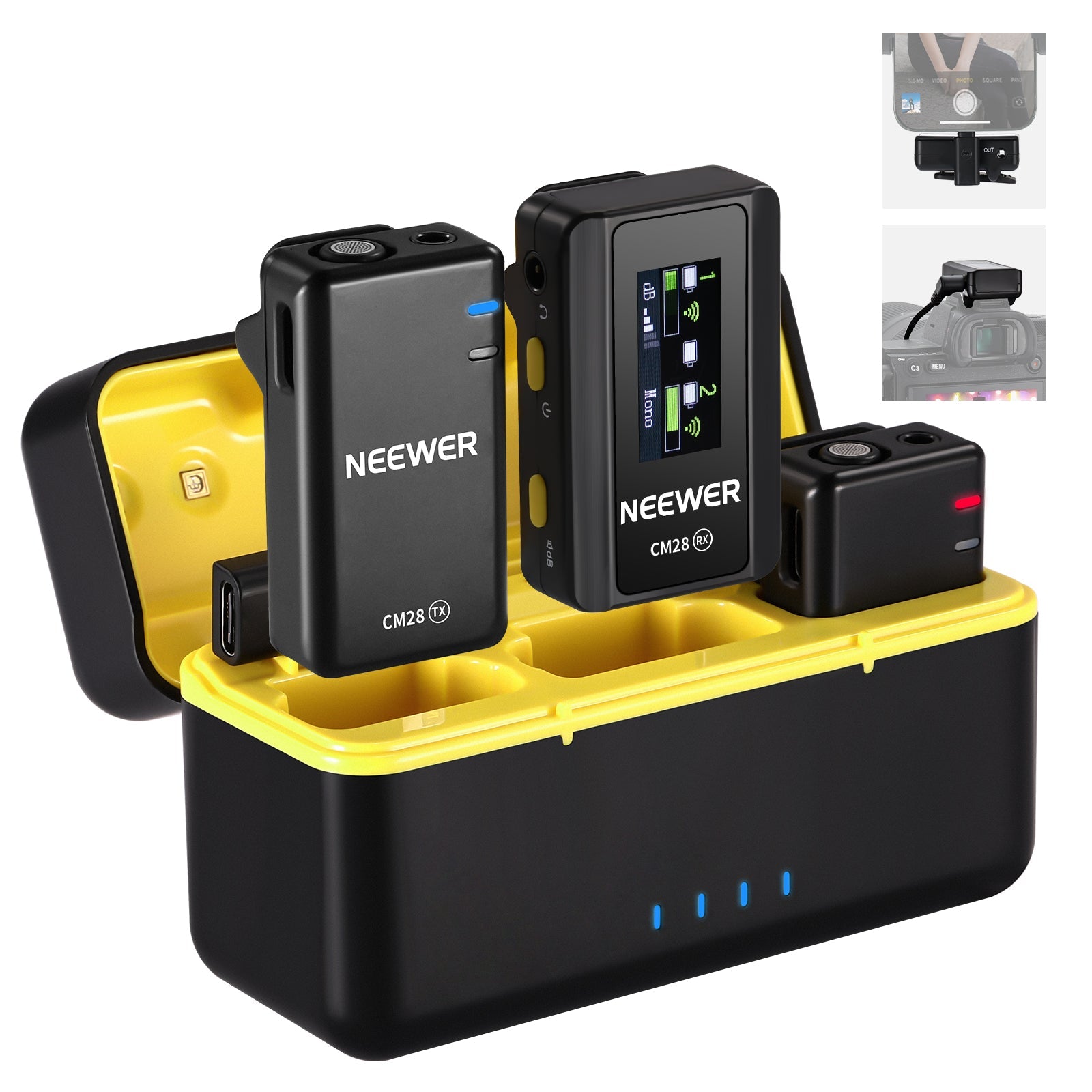
When I travel and conduct interviews, I use the Neewer CM 28, a curious device that sparks plenty of conversation when I use it, which is an unexpected bonus to warm up interviewees. It consists of two small lavaliar-style mics, a receiver, and a case which is also a battery. Each mic can store 2GB of audio, and the default format is WAV, so the quality is reasonable if a little hollow-sounding. My only issue so far has been that the mics date stamp each file with the start of Unix time (January 1st, 1970), making it hard to match files to interview when it comes to editing later.

Buy / Learn more →

Shure MV7Current

I switched to the Shure MV7 after using a Blue Yeti for years. The MV7 is a hybrid USB/XLR microphone that lets you to record directly into a computer via USB or connect to an audio interface via XLR. I bought it as I was doing more video work and the Yeti was too large and visually distracting on camera. After a period of time connecting it with USB, I now connect it using XLR to a Arturia MiniFuse 4 or Elgato XLR Dock Mk2.

Buy / Learn more →