The Cloud Native Computing Foundation (CNCF) conducted another survey late last year and the results are now out. Here's what's popular in cloud native development.
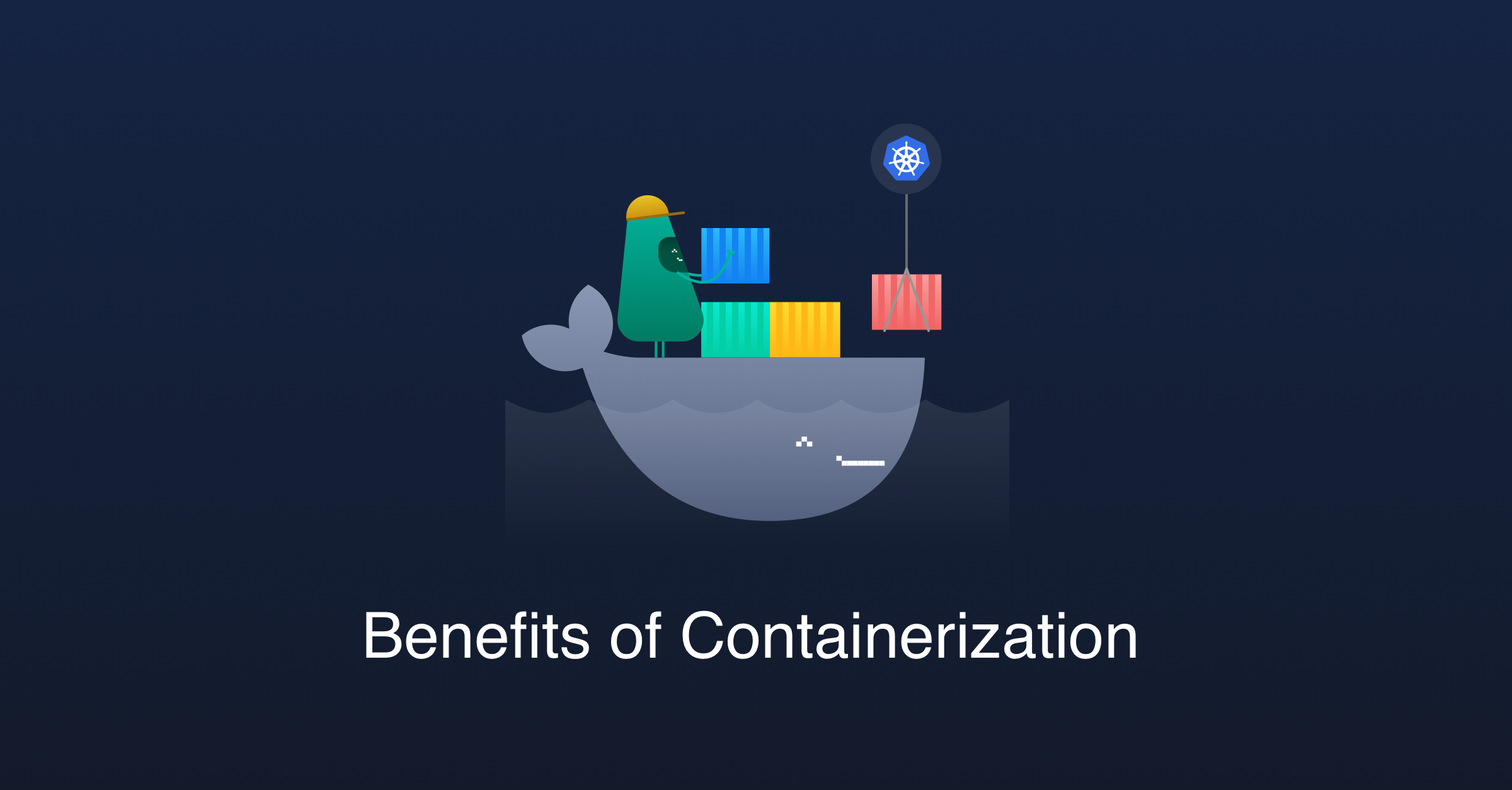
Breaking applications into smaller coupled components like microservices, and running each of those components in containers often go hand in hand. These modern application architecture principles have allowed many businesses and software projects to make regular and rapid changes to running software and scale them to suit changes in demand and approach. In this article, we breakdown what a container is, and the direct benefits they bring to your developer teams and business.
Canonical announced the latest Ubuntu release, and as an LTS, it's not packed with new features, but brings many usability, stability, and performance improvements to suit individuals and enterprises alike.
Orchestrating an application in Kubernetes can be even in a simple setup pretty complex. In this post, you learn how to architect a Kubernetes-native application and create a first deployment using kubectl.
Environment variables are a common way for developers to move application and infrastructure configuration into an external source outside of application code. This post shows you the variety of ways Kuberentes helps you create and manage environment variables within kubernetes.
Many of you have probably read countless technical articles about scaling application infrastructure and capacity with Kubernetes. This is not one of those posts. Rather, it looks at how and when to implement Kubernetes when your team or the demands on your team grow rapidly.
GitOps takes familiar tools such as Git and Continuous Delivery pipelines to automate infrastructure. The GitOps approach is vendor-neutral, provides a clear history of changes, and allows you to reproduce or roll back deployments. Yet, we can't ignore the problems with this approach: Proliferation of repositories, no help for secrets management, or simultaneous file writes. Let's explore.
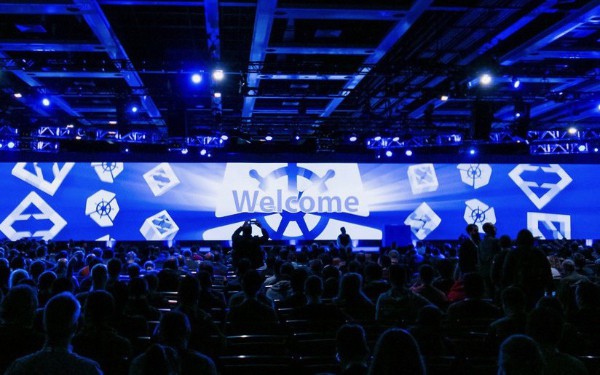
As many large-scale events start to feel they’re close to “getting back to normal,” this year’s KubeCon EU was the second online, and while it lacked any large announcements, there was plenty of consolidation and maturing of concepts.
Companies that are built upon or are building software typically want to move fast and not break things. But how can growing teams allow developers to keep building new features and fixing bugs without operations teams slowing them down with complex and arduous processes?
Want a powerful, self-hosted personal cloud? Then look no further than Nextcloud running on Kubernetes with a service mesh to add all the help and features you need.
As big Kubernetes users ourselves, we know that one of the best ways to run Kubernetes is to use Google Kubernetes Engine (GKE). Earlier this year, Google Cloud announced a new mode for running GKE called Autopilot. Google Cloud designed Autopilot to reduce the operational cost of managing clusters, optimize clusters for production, and yield higher workload availability. Autopilot takes a lot of the legwork and complexity out of managing Kubernetes clusters, saving you time and money. But, like all critical infrastructure, you still need a plan for monitoring and observability for the cluster. That’s where Chronosphere comes in.
In June, Kubernetes celebrates its tenth birthday. The system is now so widely used by hundreds of thousands of companies worldwide to scale their applications to meet demand it’s hard even to remember a time before it existed. But there was a time when other options were available, and I even remember using some of them.