
Cloud

Blog posts tagged with Cloud
InSync

InSync

13/01/2013
Someone recently put me on to <a href="https://www.insynchq.com/" target="_blank">insync</a>, a new way to use <a href="https://drive.google.com" target="_blank">Google drive</a>. I've had two main issues with Google's drive application:<ol><li>That it will only work with one Google account (with three active ones, that's not very helpful).</li><li>That when you open a file in finder/explorer it opens up a browser, which seems a rather pointless user of a desktop application.</li></ol>
How to use Chronosphere to monitor your GKE Autopilot deployment

How to use Chronosphere to monitor your GKE Autopilot deployment

14/12/2021
As big Kubernetes users ourselves, we know that one of the best ways to run Kubernetes is to use Google Kubernetes Engine (GKE). Earlier this year, Google Cloud announced a new mode for running GKE called Autopilot. Google Cloud designed Autopilot to reduce the operational cost of managing clusters, optimize clusters for production, and yield higher workload availability. Autopilot takes a lot of the legwork and complexity out of managing Kubernetes clusters, saving you time and money. But, like all critical infrastructure, you still need a plan for monitoring and observability for the cluster. That’s where Chronosphere comes in.
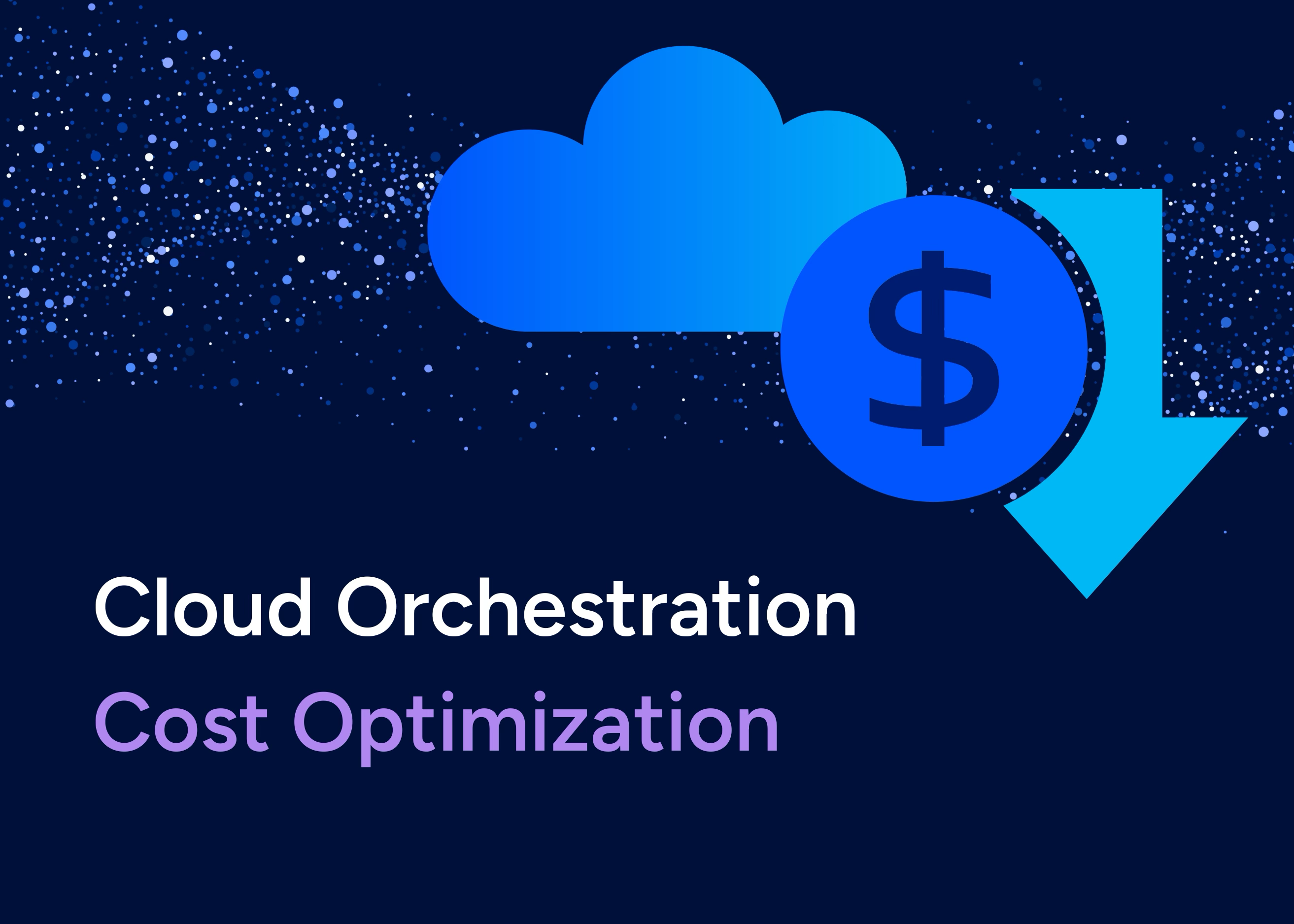
Cloud orchestration cost optimization

Cloud orchestration cost optimization

25/04/2025
The move to the cloud promised to save users money and give them insights into their usage and costs. However, the opposite happened. A 2025 report from AAG stated that around 82% of respondents found cloud spending challenging. A cloudzero report from 2024 states that more than 20% of respondents had no clear idea of their cloud costs, with reports for large users sometimes consisting of thousands of rows of hard-to-read usage data.
Cross-Border Data Processing With Privacy Compliance Through Expanso

Cross-Border Data Processing With Privacy Compliance Through Expanso

22/05/2025
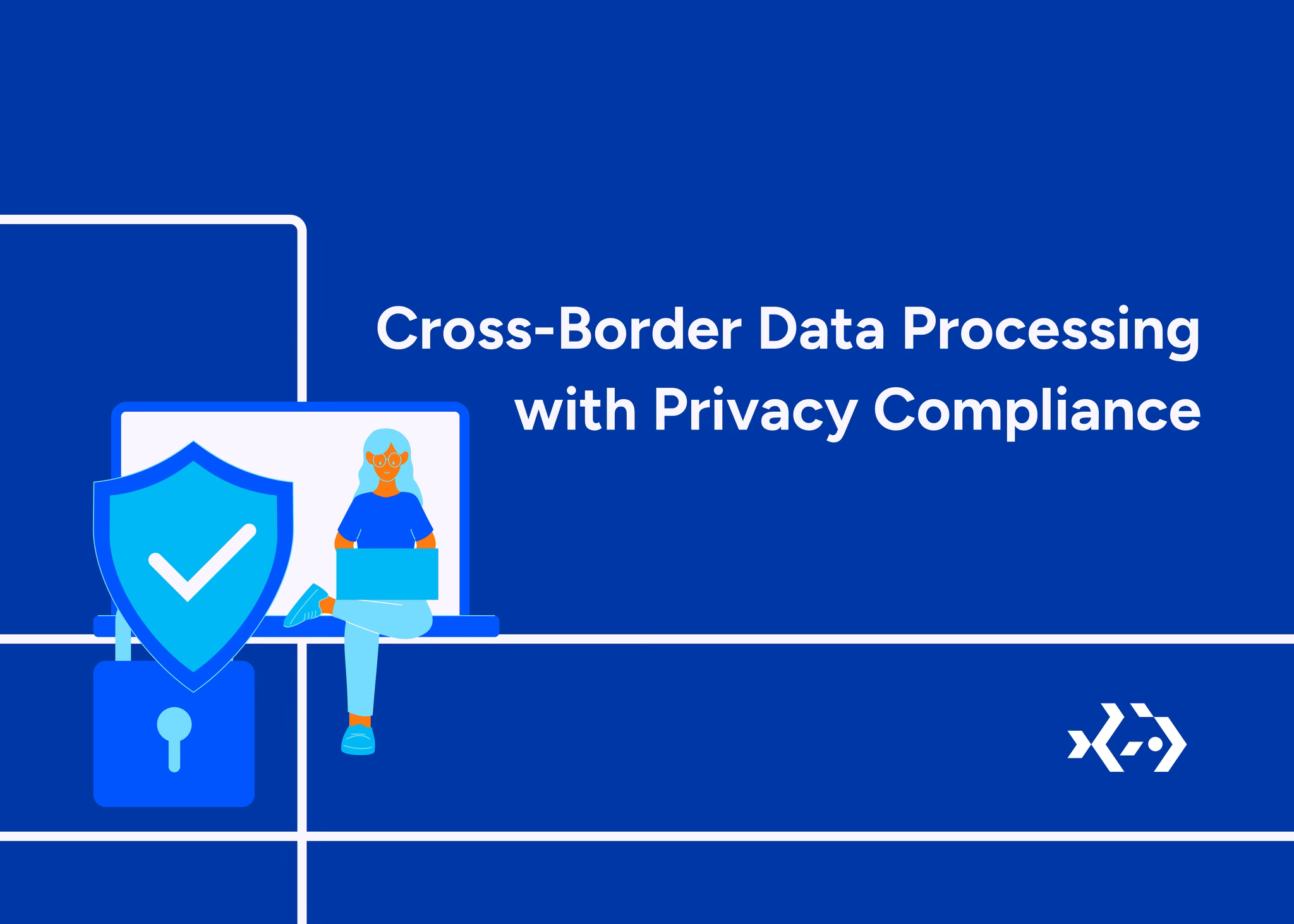
Many organizations work with clients and infrastructure around the world and face significant challenges ensuring they follow privacy regulations as their application data flows across borders. This post looks at how you can use Bacalhau to handle distributed cross-border processing and anonymize data with Microsoft Presidio to help meet some of these requirements.
European cloud hosts are offering an escape from AWS, Azure, and GCP

European cloud hosts are offering an escape from AWS, Azure, and GCP

13/03/2025
When the modern-day internet began emerging in the early 2000s, finding hosting services and resources to run the new wave of dynamic web applications was hard. You needed a database to store application data. These were slow, expensive, and unreliable, regularly bringing applications to a grinding halt when a single instance failed. You needed a server to run interpreted languages like PHP, Python, or Ruby. These were equally expensive, often needed configuration, had security issues, and frequently ran out of memory or CPU resources, again bringing applications to a grinding halt.
Getting Started with Machine Learning on Bacalhau

Getting Started with Machine Learning on Bacalhau

08/05/2025
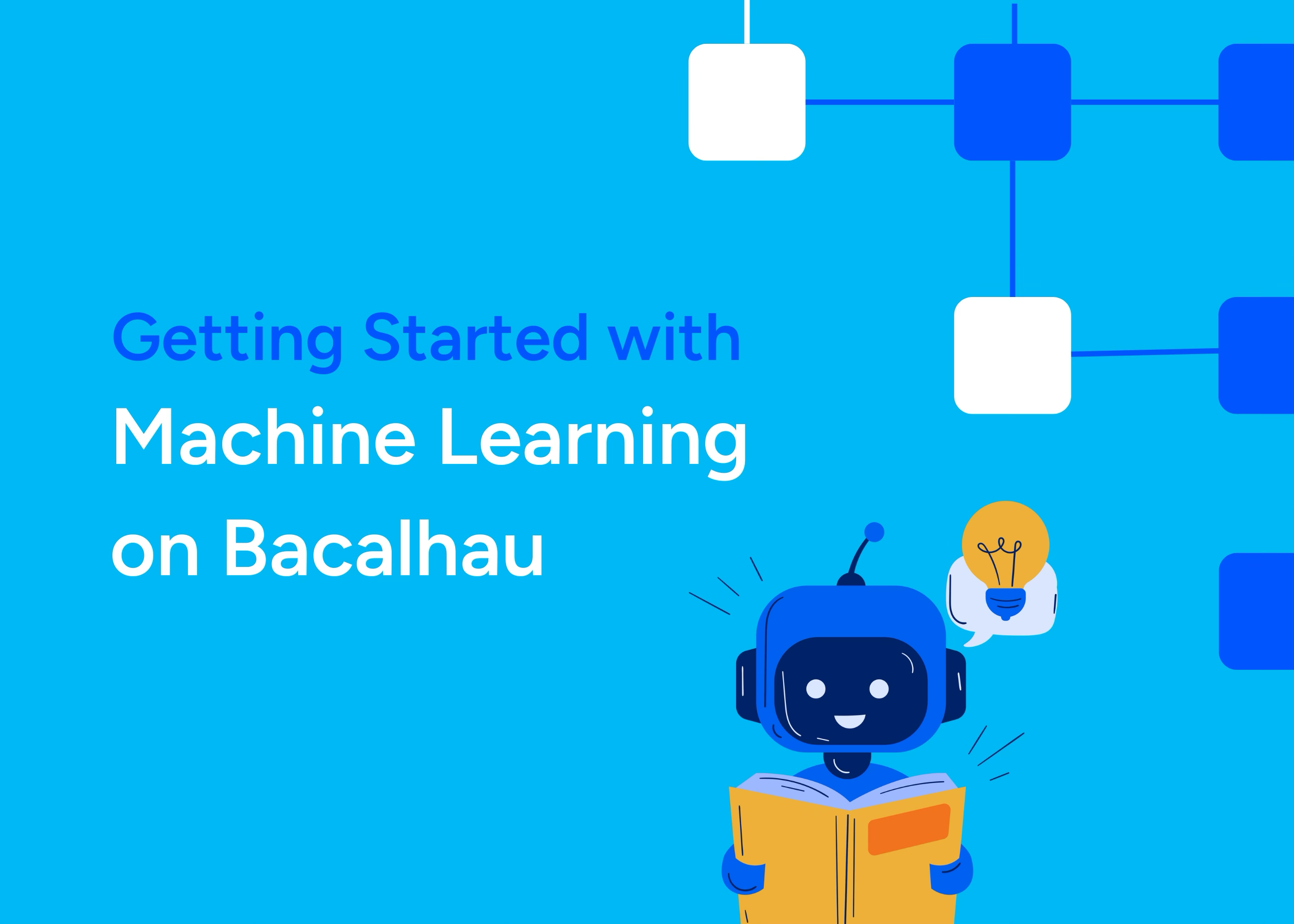
Machine Learning requires vast amounts of resources, and distributing these resources across multiple devices and regions helps with cost, speed, and data sovereignty. Bacalhau is an open-source distributed orchestration framework designed to bring compute resources to the data where and when you want, drastically reducing latency and resource overhead. Instead of moving large datasets around networks, Bacalhau makes it easy to execute jobs close to the data’s location, reducing latency and resource overhead.