I recently switched back to freelancing full-time, and whilst I am lucky enough to have clients who don’t ask for precise hourly breakdowns, I have always been intrigued to know how much time I was spending on work tasks, especially those tasks that I didn’t directly bill for.
HashiCorp is a company that feels like it’s always been around. Quietly plugging away just out of the limelight working on awesome products and every now and then releasing something groundbreaking that you wondered how you worked without it. I attended a couple of meetups recently that covered HashiCorp tools and felt the time was ripe I dug into all they have to offer a CI workflow.
In this article, we explore a video game that requires players to code in JavaScript in order to make any progress in the game and interact with other players.
Like any modern citizen, I love my smartphone, but I wouldn't describe myself as a power user, my phone is supplemental to my computer, not a replacement for it.
The open-source Pilosa includes production-tested features, including single and multi-node index support, replication, algorithm plugins, a data importer, and more.
Chat bots are everywhere. Suddenly our messaging services are inundated with small automated systems inhabiting spaces in the domain of human-to-human communication. We can now have conversations with bots that help us buy products, book travel, make meetings, solve customer service issues, and much more.
Chris Ward's interview with Sauce Labs takes a look at the acquisition of TestObject automated app testing service, SauceCon, and how to test the Internet of Things.
\#UNIT runs regular meetups in Berlin aimed at those working in tech who identify as Lesbian, Gay, Bisexual, Transgender, and Intersex (LBGTI), but with an overarching message of providing a space for speakers who you might not always see at more mainstream events. I personally don’t identify as any of these, but I always enjoy the diverse messages and fun atmosphere I hear at the meetups, and this was my second time attending the yearly conference.
I have been a Docker fan since almost day 1, working for a company that packaged its project to work in containers early-on, writing many blog posts on usage and related tooling, attending meetups here in Berlin and contributing to two code sprints as a mentor. Late last year I gave a talk at LinuxCon in Berlin to see Solomon Hykes (Founder) sat in the front row, a nerve-racking delight.
I am not the best public speaker or presenter, but I give lots and enjoy giving them. I also attend many meetups and conferences and so have built a good repertoire of what works and what doesn’t. I have been planning this post for a while, but after a particularly poor presentation last week from a major technical project disappointed me, I felt motivated to get off my backside and write it. Part 1 (of an undecided number) covers stagecraft and vocal techniques.
Notifications: you probably love them or hate them. I like them when they are useful to me, and this is something that the OpenBack SDK attempts to solve. It offers a framework for you to make your in-app notifications more than annoying notices, but tailoring them to users contexts and allowing them to do more with notifications.
Speech synthesis is a not a new technology — computers have been attempting to speak to us for decades — but with the recent rise of voice-activated appliances, speech synthesis is undergoing a renaissance. At more than one meetup I heard Speech Synthesis Markup Language (SSML) mentioned for modeling computerized speech and thought it warranted further investigation.
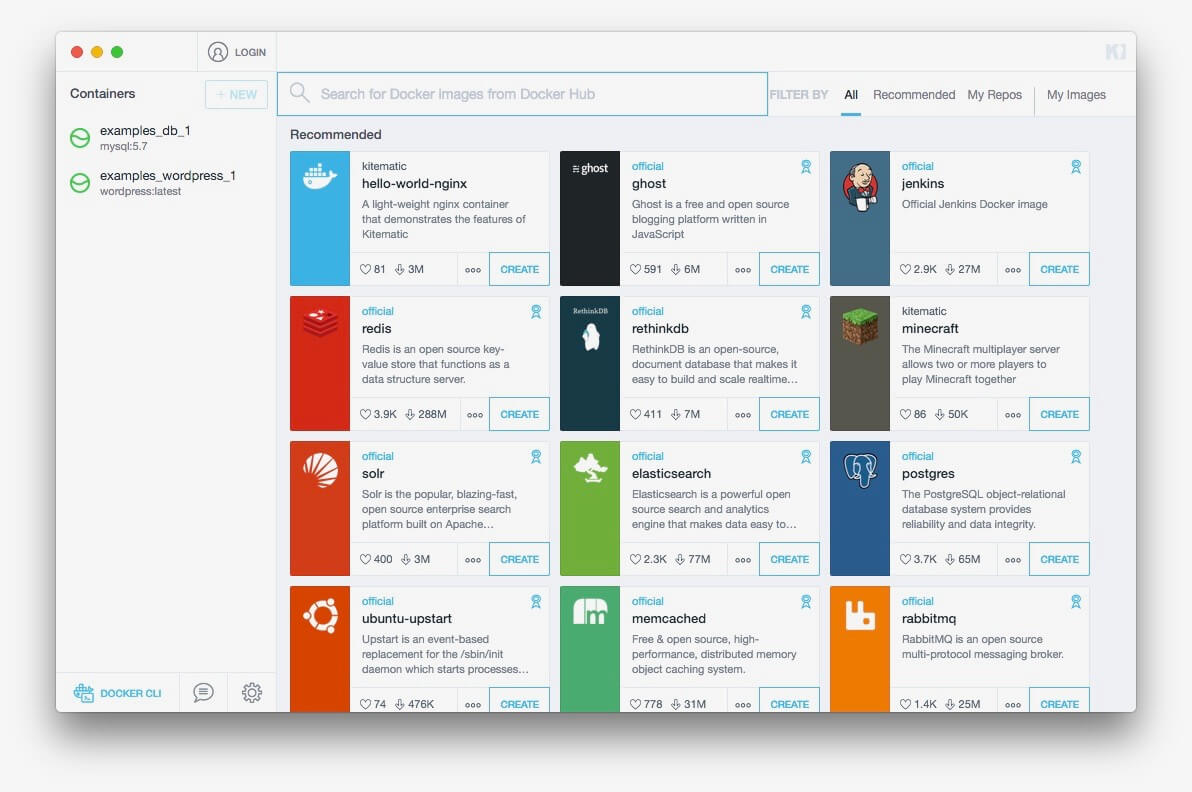
Released earlier in 2017, Docker’s new native applications for Windows and Mac replaced the older methods for running Docker on Windows and Mac and created a better experience for developers using those platforms.
I remember the first time I tried the image recognition technology in the Google translate app, snapping a poster to instantly translate what it said into a language I understood. It was far from perfect, but it was cool, and it showed the potential of what more traditional optical character recognition could be used for.
Ruby is a wonderful language for beginner coders to start with and scale to large, distributed Web and Desktop applications. It has an accepting and helpful community and strives to keep itself up to date to match the needs of developers.
You jet around the world, a road and sky warrior armed with a laptop in search of a power socket and decent WiFi. No ties, no responsibilities; work when you need it and when you’re bored, you move on. Sounds perfect, doesn’t it?
I would never call myself a real programmer, but I have a healthy obsession with studying new languages that emerge, especially those that arrive with little baggage and attempt to solve current problems and new use cases. This brought about my explorations in recent years of Swift and Kotlin, both initially aimed to fix issues with the languages traditionally used in their worlds, but rapidly became used in more widespread contexts, and generally, have enthusiastic communities.
Much has been written already about Israel’s incredibly successful and mature tech startup scene, but I was lucky enough to be asked to speak at Codemotion in Israel, so thought I would line up interviews with local entrepreneurs, catch some sun, and enjoy the food that Tel Aviv is famous for (and I wasn’t disappointed on that front). I barely scratched the surface of what the city (and country) has to offer, but I hope you will find those I spoke to interesting and useful.
Stack Overflow's 2017 developer survey crossed my desk at the same time as a report on tech wage trends from Dice.com, who I’d never heard of before, but the report echoed many of my own observations, so I read further. It’s only from US data, but again, I have seen similar trends in other countries, so thought I’d share insights with you, in case, you know, you’re looking for a change, or are inquisitive about your worth.
I’ve never been to CeBit before, but it’s reasonably well-known on the tech conference circuit for announcements, and as it’s only a two-hour train ride from home, I jumped on a Deutsche Bahn and headed to the Worlds largest fairground in Hannover.
When most people think about the Internet of Things (IoT), it likely conjures ideas of activity-monitoring wearables like Fitbit or home devices for home security (iSmart), lighting (Hue), and coffee makers (Nespresso Prodigio). It’s a mixed opinion on the success of consumer IoT devices, but IoT is making its biggest impact in the industrial realm, where it’s used to reconcile problems that have plagued workplaces for centuries. Industry can use sensor technology to increase efficiency, improve supply chains, reduce waste and increase safety and speed. Last week, I attended the Connected World event from Bosch and bring a selection of companies and activities in what I will term, “The Internet of Industrial Things” (IoIT).
With the UK exiting the European Union, Germany is jostling to become the new FinTech capital of the EU. Frankfurt has the history and established finance industry, but Berlin is more affordable, is larger, and has a more diverse population, looking at challenges from different perspectives. With at least six regular blockchain and cryptocurrency related meetups, founding members of Ethereum and Monax present in the city, and countless cryptocurrency related projects, analysts are beginning to call Berlin “the blockchain capital of the world.” As this year’s FinTech Safary threw the doors of organization and co-working spaces open, I met with a small selection of people involved in the scene to see how true this claim is.
I’m sure we’ve all been there. That moment when you realize that important and sensitive access details have leaked online into a public space and potentially rendered your services to unrequited access. With the ever-growing amount of services we depend on for our development stack, the number of sensitive details to remember and track has also increased. To cope with this problem, tools have emerged in the field of “secrets management.” In this post, I am going to look at Docker Secrets, the new secrets management feature available in Docker 1.13 and higher.